
marine lifecoralsconservation
Marine Life Spotlight: Reef Builders and Why They Matter
By Scuba Spirit Team•December 3, 2025
An accessible primer on corals and other reef-building organisms — what they are, why they matter, and how divers can help protect them.
Marine Life Spotlight: Reef Builders and Why They Matter
Reefs are the backbone of coastal marine ecosystems. Understanding reef builders helps divers appreciate the fragile world beneath the waves.
What are reef builders?
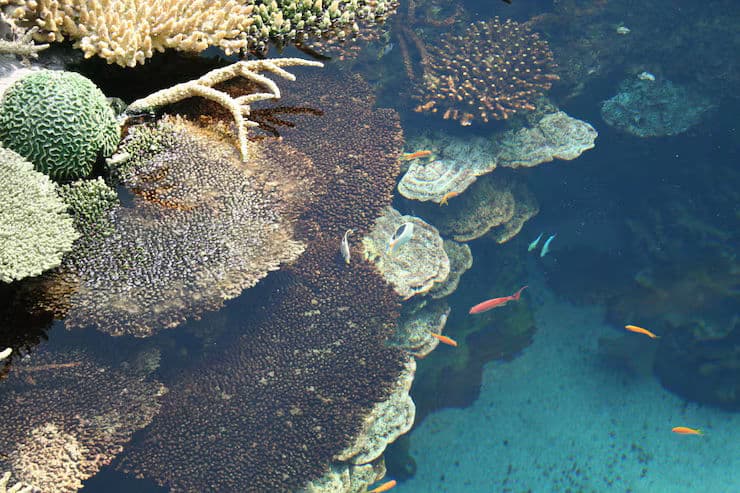
Corals (both hard scleractinian and some soft corals) are the primary reef architects. Over centuries, their calcium carbonate skeletons form complex habitats that support thousands of species.
Key reef contributors
- Stony corals: deposit hard skeletons that form the reef’s structure.
- Coralline algae: help cement reef pieces and provide settlement surfaces for baby corals.
- Sponges and bivalves: filter water and recycle nutrients, aiding reef productivity.
Why reefs are important
- Biodiversity hotspots: reefs host fish, crustaceans, mollusks, and more.
- Coastal protection: reef structures reduce wave energy and protect shorelines from erosion.
- Livelihoods: fishing and tourism depend on healthy reef systems.
Threats to reef builders
Climate-driven coral bleaching, destructive fishing, pollution, and irresponsible tourism are primary threats.
How divers can help
- Don’t touch or stand on corals.
- Maintain good buoyancy control; avoid fin kicks near fragile habitats.
- Support reef-friendly operators and local conservation groups.
Final thought
Reefs may look durable, but many are decades or centuries in the making. As divers, our choices underwater and above the surface directly affect reef survival.