
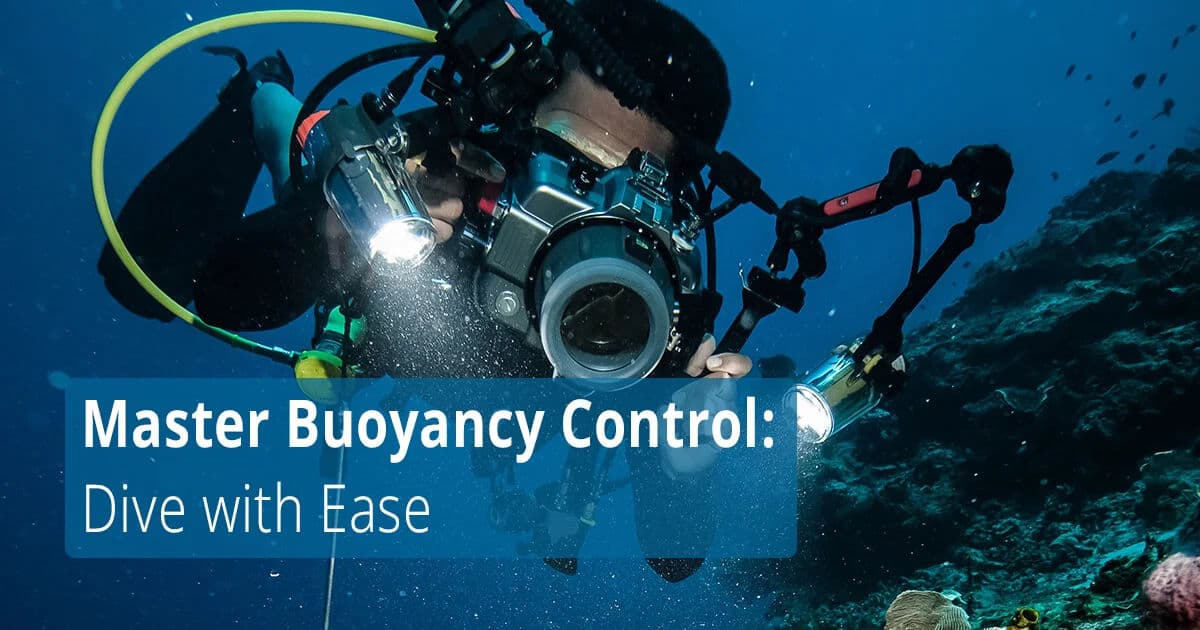
Tips & Tricks: Improving Your Buoyancy in 5 Practical Steps
Five actionable tips to help you control buoyancy faster — better photos, less reef contact, and more comfort underwater.
Tips & Tricks: Improving Your Buoyancy in 5 Practical Steps
Good buoyancy is the single skill that improves all your dives. Here are five practical exercises you can practice on your next trip.
1. Check your weighting on the surface
Start slightly underweighted; you should float at eye-level with a normal breath. If you sink with a normal breath, remove a small weight.
2. Practice hovering at 3–5 metres
With shallow water practice or in a calm dive, breathe slowly and use minimal fin movement to hold position. Focus on breath control.
3. Use small fin kicks and keep hips level
Avoid large frog kicks; instead use small flutter or modified frog fins. Keep your hips level to avoid nose-up or nose-down angles.
4. Trim and equipment placement
Secure loose hoses and position weights along a belt or integrated vest to keep your centre of gravity neutral.
5. Controlled ascents & safety stops
Use the BCD inflator in small pulses and watch your depth gauge—practice making 1–2m corrections rather than big inflation bursts.
Practice routine
Do a short 10–15 minute buoyancy drill before each dive: descend to a comfortable practice depth, hover, and log how many times you needed to adjust weight or breath.
Consistent practice pays off. Improved buoyancy means better images, reduced reef impact, and more relaxing dives.